UAE Hospitality Pivots from Construction to Consolidation
The UAE hospitality sector is shifting from expansion to an investment-led phase, with Dubai and Abu Dhabi driving growth through asset maturity and strategic acquisitions.

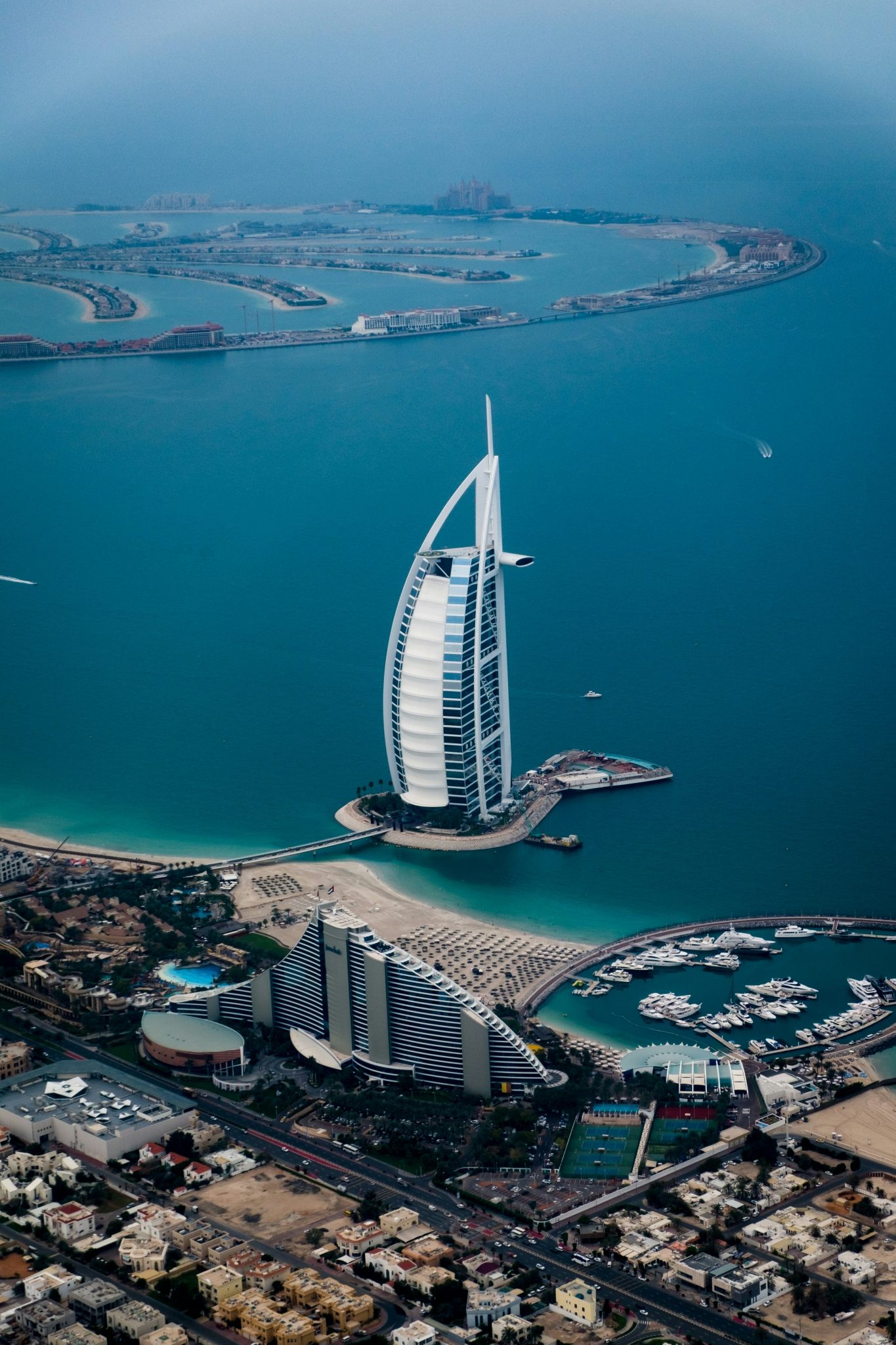
Photo by Christoph Schulz on Unsplash
The construction cranes that have long defined the skylines of Dubai and Abu Dhabi are beginning to share the horizon with a subtler, yet equally potent economic force: asset optimization. According to a new autumn review by Knight Frank and insights from Stirling Hospitality Advisors, the UAE’s hospitality sector is undergoing a structural shift, transitioning from a frenetic “build-at-all-costs” expansion phase to a mature, investment-led era focused on strategic acquisition and repositioning.
The data underscores this maturation. In the year to August 2025, the UAE hospitality market delivered robust performance, with Revenue Per Available Room (RevPAR) and Average Daily Rates (ADR) both climbing by 11.9%. Abu Dhabi, often the quieter sibling to Dubai’s exuberance, recorded a striking 24% surge in RevPAR, signaling its own arrival as a heavyweight contender. However, the narrative is no longer just about new room keys—though 235,674 are forecast by 2030. Instead, institutional capital and family offices are increasingly targeting existing assets for “value-add” plays, such as rebranding, operational overhauls, and luxury-to-lifestyle conversions.
“The market’s maturity is positioning it as a leading destination for hospitality capital,” notes Faisal Durrani of Knight Frank. Investors are shifting focus from ground-up developments to enhancing the yield of established properties, a classic hallmark of a sophisticated real estate market. With Dubai expecting 22 million tourists by the end of 2025 and luxury segments commanding 43% of upcoming supply, the strategy has moved from simply planting flags in the sand to polishing the diamonds already unearthed.
Published in
Platon Sobko
News Editor at Eatery Club. I write about technology, software, the internet, and science
All stories by this author →