The Rise of the Machines: Humanoid Agents Check In
Humanoid AI agents are moving from novelty to reality in hotels, addressing labor shortages and redefining guest service with multilingual, 24/7 efficiency.

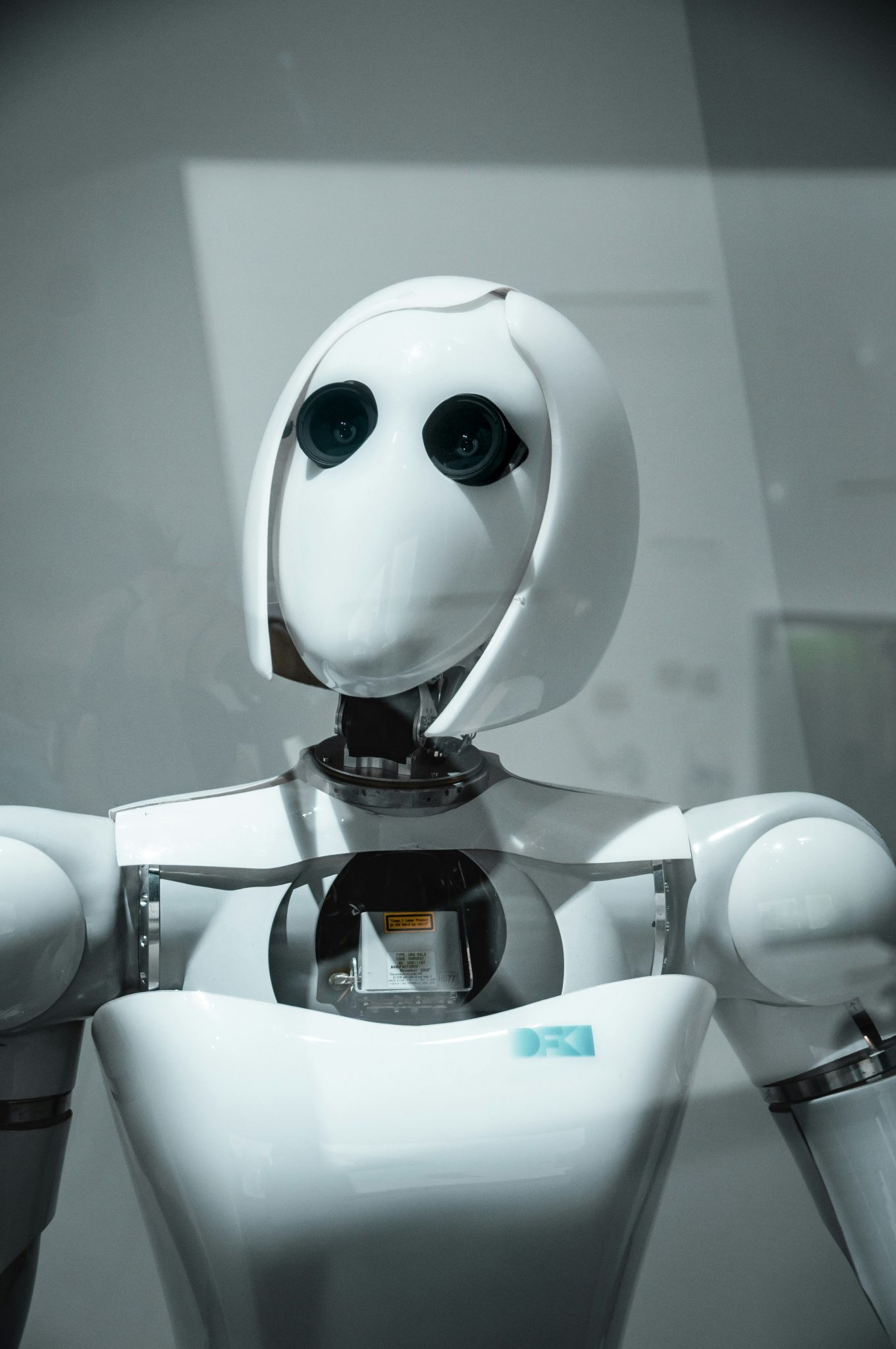
Photo by Maximalfocus on Unsplash
In the grand lobby of the future, the concierge may not just remember your name; it might also charge its battery while you sleep. The latest dispatch from the hospitality frontier suggests that humanoid AI agents, once the stuff of science fiction or gimmickry, are fast becoming a serious operational imperative.
Leading the charge is BE-A, a humanoid receptionist developed by FLAE Robotics, the brainchild of Filip Linek, a Czech hotelier and tech entrepreneur. Unlike the clunky, script-reading automatons of the past, this new breed of digital staff is powered by advanced natural language processing (NLP) and machine learning. They do not merely recite hours of operation; they converse fluently in Mandarin, Spanish, Arabic, and English, handling check-ins, activating key cards, and offering local dining tips with unnerving efficiency.
The economic logic driving this shift is compelling. In 2025, investment in hospitality AI surged by 250%, with nearly half of major industry players allocating millions to automation. The catalyst? A chronic labor shortage and soaring wage costs that have made the “human touch” an increasingly expensive luxury. Yet, as Mr. Linek notes, the goal is not to replace staff but to “lift low-value workload,” allowing human employees to focus on the empathy and complex problem-solving that algorithms still struggle to master. For the weary traveller, the result is a frictionless arrival; for the hotelier, it is a branding coup that marries high-tech efficiency with high-touch service.
Published in
Anton Galiukin
Product Owner en Eatery Club. Especializado en innovación digital y crecimiento de producto. Escribo sobre tecnología y la industria HoReCa.
All stories by this author →