Checkmate Debuts AI-Driven Boards
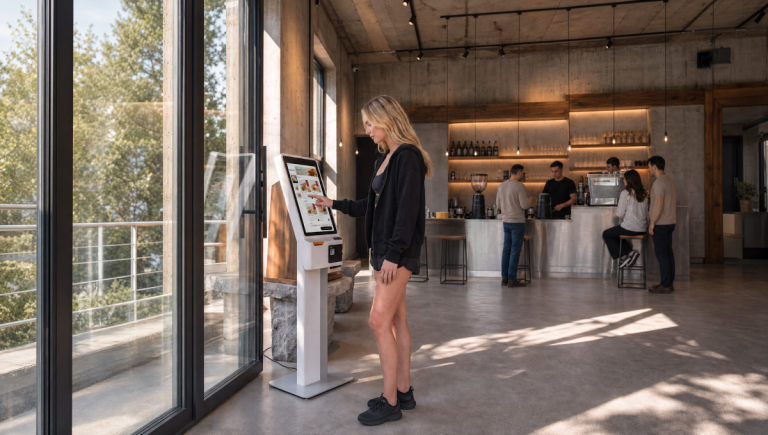
Restaurant Menus Get a Mind of Their Own The static menu board, a long-standing fixture of fast-casual and quick-service restaurants, is being retired by an intelligent successor. Checkmate, a technology firm known for integrating online orders, has introduced a new line of AI-powered digital menu boards. These systems move beyond simply displaying prices; they actively […]

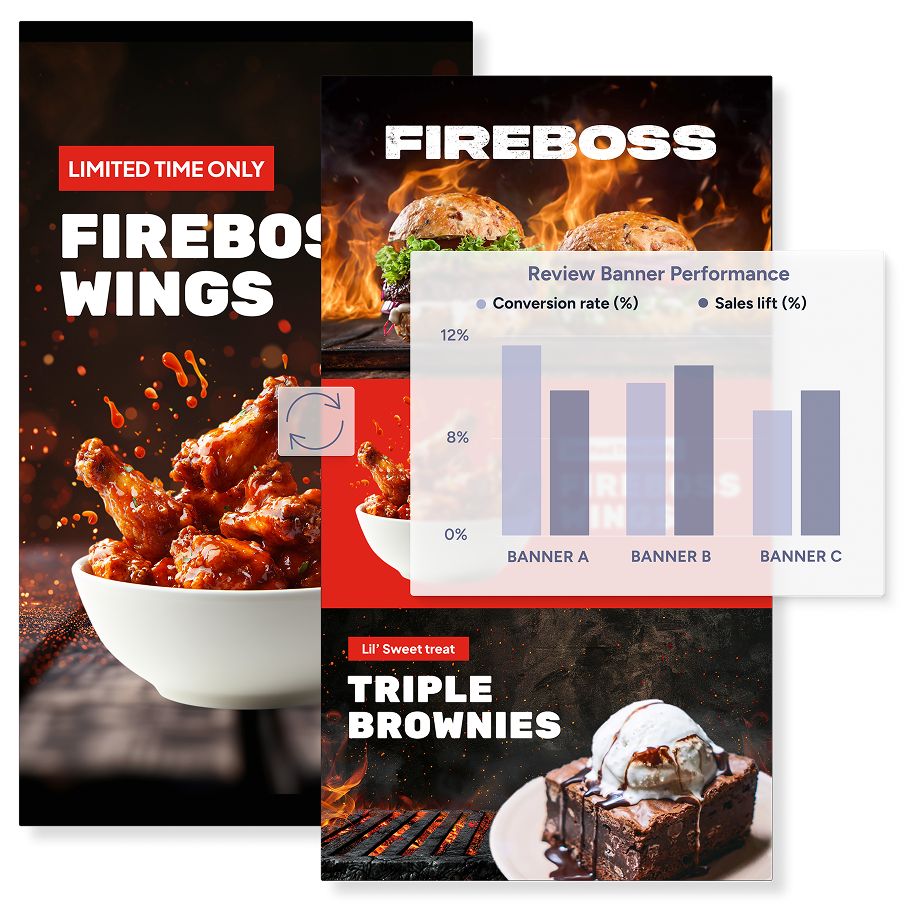
Photo by Checkmate
Loading audio…
—:—
Restaurant Menus Get a Mind of Their Own
The static menu board, a long-standing fixture of fast-casual and quick-service restaurants, is being retired by an intelligent successor. Checkmate, a technology firm known for integrating online orders, has introduced a new line of AI-powered digital menu boards. These systems move beyond simply displaying prices; they actively participate in the sales process by automatically testing promotions, generating real-time upsells, and fundamentally altering their own layout based on live data.
The core of the technology lies in its dynamic capabilities. The AI system is designed to generate data-driven upsells by analyzing the specific items a customer adds to their cart. If a burger is ordered, the screen might instantly prioritize a high-margin drink and side combination, rather than a generic prompt. More significantly, the system can autonomously conduct A/B testing on promotions, displaying different offers to different customer segments and automatically adopting the layout that proves most effective at increasing the average check size.
This launch represents a strategic shift in point-of-sale marketing for the horeca industry. Instead of relying on static promotional posters or staff training for upselling, Checkmate’s boards turn the menu itself into a responsive, automated sales agent. The system promises to optimize the customer’s ordering journey in real-time to maximize profitability for the restaurant.
For restaurant operators, the appeal is the promise of optimization without manual intervention. The technology aims to constantly refine the menu’s look and layout to drive revenue, adapting to time of day, order contents, and promotional performance. The success of such a system will depend on its speed and the subtlety of its suggestions, ensuring the customer feels assisted by the AI rather than manipulated by a machine.
Published in
Anton Galiukin
Product Owner en Eatery Club. Especializado en innovación digital y crecimiento de producto. Escribo sobre tecnología y la industria HoReCa.
All stories by this author →