5 Tech Trends Transforming Restaurants in 2026 | HoReCa
Restaurants now use AI for forecasting, sell merchandise online, partner with delivery apps for retail, and deploy robotic kitchens.


Photo by Volkan Buyukvardar on Unsplash
The restaurant business in 2025 looks less like traditional hospitality and more like a tech startup that happens to serve food. Five trends are driving the transformation, and none of them are optional anymore.
AI stopped being a buzzword
Artificial intelligence finally does useful work in restaurants. Systems now analyze customer behavior to deliver personalized menu suggestions, loyalty offers, and dining preferences. That’s the kind of targeting that used to require a dedicated marketing team.
The back office benefits even more. Restaurants use AI to forecast sales trends, predict inventory needs, and manage staffing levels based on historical data. One operator described it as having a manager who never sleeps and remembers every Thursday lunch rush for the past three years. AI-powered chatbots handle orders and answer questions, cutting wait times for online interactions.
Restaurants are becoming retailers
Walk into many restaurants now and you’ll see shelves of branded hot sauce, frozen meal kits, or house-made pasta. In 2025, restaurants are embracing tools that merge traditional dining with retail operations, featuring online stores for branded merchandise, take-home meal kits, and pantry staples.
The tech enabling this isn’t trivial. Retail software helps manage the dual challenges of fresh and shelf-stable inventory for hybrid restaurant-retail models. A steakhouse needs different systems to track tonight’s ribeyes versus bottles of steak rub sold online.
Delivery apps became retail platforms
DoorDash and Uber started delivering burgers. Now they deliver everything. These delivery giants have expanded their reach into retail, completing orders for convenience stores, pharmacies, and beyond. For restaurants, this creates odd opportunities. Restaurants partner with delivery giants to sell their products through new retail channels, with advanced logistics ensuring rapid delivery of retail goods and restaurant orders alike. That house-made hot sauce can now reach customers who’ve never set foot in the dining room.
Data runs everything
Every interaction generates data, and restaurants are finally using it. Restaurants analyze guest ordering patterns to create hyper-personalized promotions, increasing repeat business and average order value. If someone orders vegetarian every Tuesday, the system knows to send plant-based specials on Monday afternoon.
Operations get the same treatment. Data-driven scheduling reduces labor costs while ensuring peak demand periods are adequately staffed. No more overstaffed Mondays or chaotic Saturday nights with too few hands.
Automation moved to the kitchen
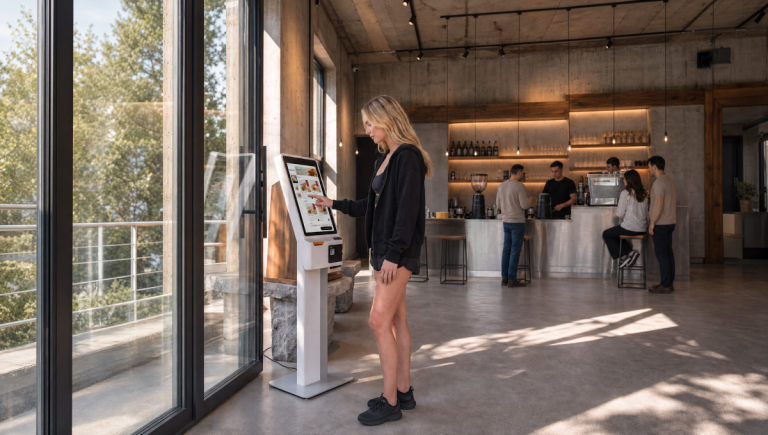
Self-service kiosks are old news. The real change is happening in back-of-house. Robotic kitchens with automated cooking stations prepare complex dishes with speed and precision, handling everything from perfect egg temps to consistent sauce portions.
Smart inventory systems with automated monitoring track stock levels and expiration dates, minimizing food waste and optimizing supply chains. No more Sunday morning discoveries that you’re out of burger buns.
The through-line on all five trends is integration. Technology only works when systems talk to each other, when the AI forecasting connects to inventory management, which connects to the retail platform, which feeds data back to staffing algorithms. Restaurants that treat tech as isolated tools rather than connected infrastructure are falling behind fast.
Published in
Platon Sobko
News Editor at Eatery Club. I write about technology, software, the internet, and science
All stories by this author →