Is a custom restaurant app worth it?
A custom restaurant app needs a team and ongoing support. We examine these commitments and the features of a ready-made branded app on a monthly subscription.
Loading audio…
—:—
A mobile app is a direct channel to your guests: you can use it to take online orders and table reservations and send personalized offers. If you decide to build a custom restaurant app from scratch, budget for ongoing support as well as launch.
When development exceeds the estimate
Consider the example of a small pizza chain in Europe. The chain commissions an app with a custom design, bonus games, cooking videos, and pizza ordering. It expects to save on intermediary commissions.
It hires a small freelance studio. The initial estimate of around 25–30 thousand euros no longer seems acceptable, and that is only the start. Designers revise the mockups repeatedly, and developers encounter unexpected challenges. Support was not discussed, so there is none. Given the lack of experience and budget constraints, each new feature, such as POS system integration or smart recommendations, costs more and more.
After eight months, spending exceeds 70 thousand euros, but the app still is not ready and continues to need revisions. Once it launches, users complain about bugs and a clunky interface, flooding social media and app store pages with messages. The chain abandons the project, losing money, time, and some customers.
Large chains faced similar problems: Blaze Pizza in the US switched from in-house development to the ready-made Thanx solution. The chain’s marketer Christian Kuhn said: “Our own platform was very expensive and difficult to maintain.”
A pizzeria from scratch just for office pizza

Imagine being told to build your own pizzeria so you can have pizza at the office, instead of buying pizza or using delivery. Starting a pizzeria from scratch means planning for:
- A designer to plan the space, or a suitable location from a reliable landlord.
- Builders to put up walls and install electricity, water, and ventilation.
- A professional oven capable of producing hundreds of pizzas a day, refrigeration equipment, exhaust systems, and sinks.
- Suppliers of flour, cheese, tomatoes, sausages, and vegetables suited to your pizza recipes. Pizza needs specific ingredients beyond those your restaurant already buys.
- Pizzaiolos who know how to work with dough and the oven, a front-of-house manager, servers or pickup staff, and cleaners.
- Couriers, cars or scooters, and thermal bags if you plan to offer delivery.
- Marketing for the new location.
These are large investments of money and time that pull resources away from running a restaurant: managing the kitchen and staff and working with suppliers. Developing your own app is like building a pizzeria from scratch just to supply office pizza, only in the digital world. Many are still willing to take that risk with an app.
A custom app: from development to support
Imagine adding a fleet to your pizzeria and deciding to manufacture your own delivery vehicles because “it would be better for the brand.” Starting a car factory just for deliveries sounds absurd. Most cars have four wheels, a steering wheel, and an engine, but a Porsche and a Lada solve the same task differently. Apps are similar: serving the same purpose does not mean offering the same capabilities.

Taking on development and support means budgeting for an IT operation. Expenses do not end when you publish the app.
- At minimum, expect two to three experienced developers per platform (mobile and backend), a web programmer, one QA specialist for testing, a designer, and possibly a project manager. These are monthly salaries, not one-time expenses, and they cover only the maintenance of the existing product.
- Hosting requires servers, with DevOps engineers monitoring stability and security. Those expenses continue after launch, and outages remain a risk.
- The mobile operating systems iOS and Android are updated monthly, security requirements change, and new standards emerge. Your team must keep adapting the app, or it can stop working or slow down.
- Restaurant chains have lost customer data in cyberattacks. Security requires specialists and ongoing investment. Competitors may also try to exploit vulnerabilities.
- Integrating a new loyalty system or adding in-app tipping creates more work. You will most likely have to double the development team or hire more staff to keep changes from taking months.
- You have to understand API versions, backend and frontend work, UX/UI design, and testing. You effectively become a technical director, leaving less time for food, the dining atmosphere, staff, and suppliers.
Updates and support for custom development can cost approximately 150 thousand euros a year, not counting hosting, security, and salaries. It is like owning a house: after the purchase, repairs and bills continue.
Building an app from scratch that is comparable in features to professional ready-made solutions takes a large budget and years of work. You will likely be limited to basic features, while guests expect the personalized promotions, loyalty programs, integrated payments, and smart recommendations they are used to from large companies’ apps. If an app lacks the features guests need or has a difficult interface, they may delete it.

Eatery Club™: a branded app on a subscription
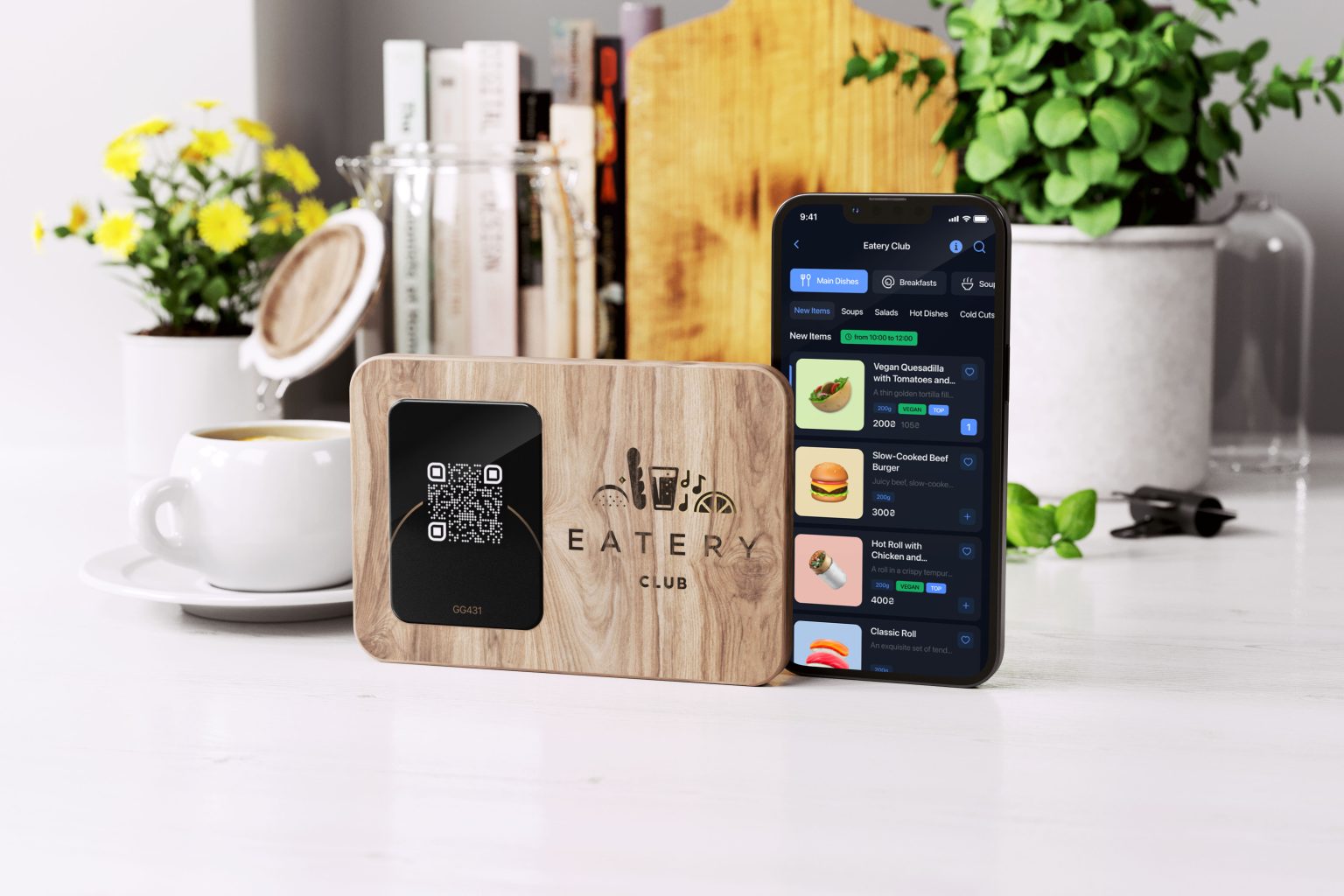
Eatery Club offers a ready-made HoReCa management ecosystem built on restaurants’ experience and needs. It includes a branded mobile app, so you do not have to build one from scratch.
Instead of one-time development costs, you pay a transparent monthly subscription, which makes budgeting easier. Eatery Club handles technical support, updates, and feature development.
Moving orders from aggregators to your own app can significantly reduce or completely eliminate spending on aggregator commissions. You can put the commission savings toward gifts and bonuses for guests.
The app gives you direct contact with guests and control of your branding, communications, and marketing. You can collect and analyze customer behavior data to develop and improve the service.
The solution includes:
- Online ordering with delivery and pickup settings.
- Loyalty programs and table reservations.
- An AI agent for personalized guest communication.
- Self-service kiosks and a Wi-Fi portal customization module for the restaurant.
When choosing between custom development and a ready-made solution, consider that the same money and time could go toward brand development, staff training, or new dishes.
Discuss a branded mobile app and your restaurant’s requirements.
Published in